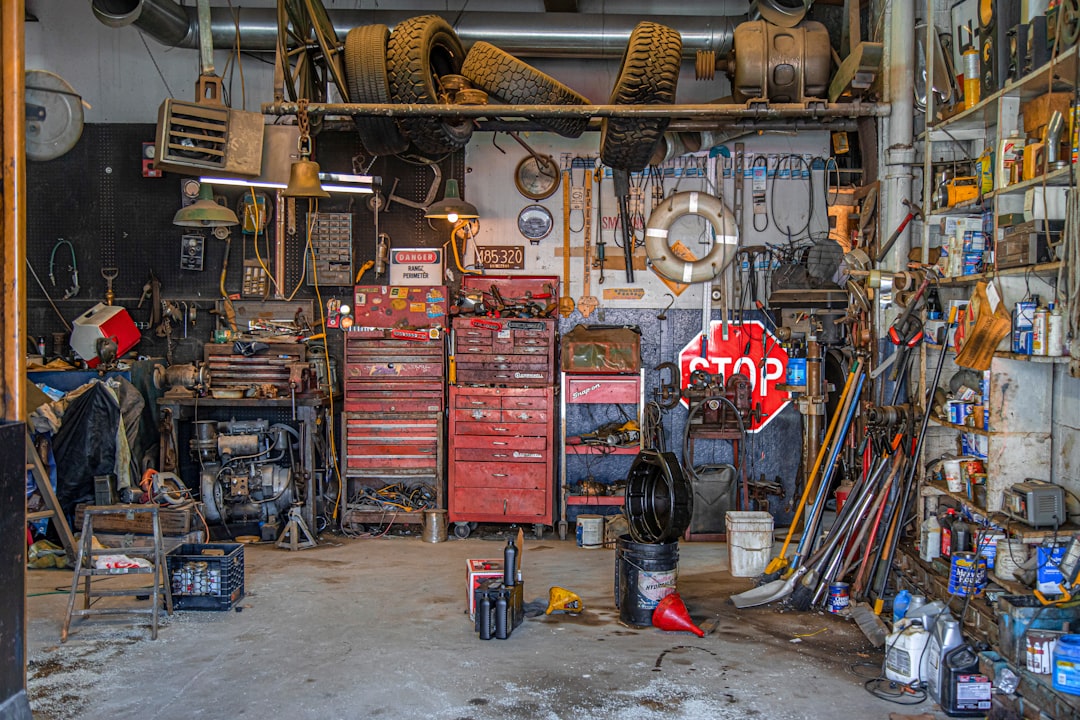
Planning furniture removal house clearance involves meticulous inventorying, eco-friendly recycling & upcycling, professional assessment for safe transport, and post-clearance space transformation. Key practices include pre-visit assessments, detailed lists, clear communication, technology integration, and responsible disposal methods for minimal environmental impact. These strategies ensure stress-free moves while promoting sustainability in densely populated areas like Hampshire, Bedfordshire, and Gloucestershire.
In today's fast-paced world, efficient and responsible large item disposal has become a critical aspect of sustainable living, particularly within the context of furniture removal and house clearance. With an increasing focus on environmental consciousness, businesses and individuals alike are seeking best practices to manage unwanted goods without contributing to waste. This article delves into the intricacies of effective large item disposal, offering insights into strategies that go beyond traditional methods, including natural approaches to furniture removal and house clearance. By exploring these practices, we aim to empower readers with the knowledge to make informed decisions, ensuring both environmental responsibility and streamlined solutions for their disposal needs.
- Planning for Large Item Disposal: Essential Preps
- Assessing Furniture Removal Needs and Costs
- Eco-Friendly House Clearance Strategies
- Efficient Logistics: Coordinating Furniture Removal
- Responsible Disposal Methods for Different Items
- Post-Clearance: Transforming Spaces and Communities
Planning for Large Item Disposal: Essential Preps

Planning for large item disposal is a critical yet often overlooked aspect of moving or house clearance. A well-organized approach can significantly reduce stress, save money, and ensure your move runs smoothly. For those in Cambridgeshire, Oxfordshire, or Buckinghamshire looking to manage furniture removal and house clearance naturally, these strategies are invaluable.
Begin by assessing what needs to be moved. Create a detailed inventory of large items, categorizing them based on size, fragility, and value. This process allows for informed decisions about disposal methods. For instance, heavy furniture might be donated to local charities or sold at a bargain to avoid waste, while delicate pieces may require specialized handling during the furniture removal house clearance process.
Next, research and plan your disposal options. Consider recycling centers, thrift stores, or online platforms that cater to rehoming second-hand items. For instance, data shows that over 70% of household goods can be reused or recycled, reducing environmental impact. In Cambridgeshire, Oxfordshire, and Buckinghamshire, many local initiatives exist for responsible furniture removal and house clearance. Reach out to these organizations early to understand their requirements and ensure a smooth handover.
Lastly, prepare your space before the big day. Clear pathways, mark fragile items, and organize packing materials efficiently. This preparation not only facilitates smoother moving but also reduces the risk of damage during transport. Remember, planning is key to a successful furniture removal house clearance process. If you encounter challenges along the way, give us a call for expert advice on troubleshooting common problems on moving day.
Assessing Furniture Removal Needs and Costs

When considering furniture removal house clearance, especially for larger properties or extensive de-cluttering, assessing your needs and understanding associated costs is paramount. This process involves evaluating the quantity and type of furniture to be removed, the accessibility of the space, and the overall scope of the project. In regions like Gloucestershire, Bedfordshire, and Cheshire, where property sizes can vary significantly, a thorough assessment becomes crucial to ensure efficient and cost-effective house clearance services.
For instance, a mid-sized home in Cheshire might require different removal strategies than a large country residence in Gloucestershire. Professional furniture removal companies specializing in areas such as these employ trained staff equipped with the necessary tools to navigate tight spaces and handle bulky items safely. They will carefully inspect the property, taking note of unique architectural features, limited access points, or specialized furniture that may require extra care. This meticulous planning is key to avoiding unexpected surcharges often associated with last-minute logistical challenges.
Cost estimation should consider not just removal but also disposal methods. Some companies offer recycling and upcycling services, which can significantly reduce environmental impact while potentially lowering expenses for clients. For instance, old wooden furniture may be reused or recycled into new products, diverting waste from landfills. Understanding these nuances allows property owners to make informed decisions, ensuring they receive fair pricing for their furniture removal house clearance needs.
When the scope of work is extensive and involves complex furniture arrangements, it's advisable to consult professionals who can provide on-site assessments. Companies offering services in Gloucestershire, Bedfordshire, or Cheshire often have experienced estimators who can offer accurate, personalized quotes. They may also recommend strategies for efficient packing and labeling, ensuring a smoother transition during the house clearance process. Give us a call today to discuss your specific furniture removal requirements and discover how professional assistance can simplify the task while respecting your budget and environmental goals.
Eco-Friendly House Clearance Strategies

As the need for efficient furniture removal house clearance services grows, particularly in densely populated areas like Hampshire and Bedfordshire, adopting eco-friendly strategies has become paramount. The traditional method of large item disposal often involves significant environmental impact due to transportation emissions and waste management practices. However, there are effective and sustainable approaches to managing these challenges, ensuring a greener future for our communities.
One prominent eco-friendly house clearance strategy is the emphasis on natural decomposition and recycling. Instead of sending every discarded item to landfills, which contribute to methane emissions and pollution, consider implementing a circular economy model. For instance, wooden furniture can be broken down into compostable materials or reused through donation programs, as many households in Bedfordshire find beneficial. This not only reduces waste but also creates opportunities for local charities and community initiatives.
In Hampshire, where space for traditional landfills is limited, promoting furniture removal house clearance naturally has taken root. Many professional services now offer comprehensive recycling and upcycling solutions. For example, old furniture can be disassembled, with components either refurbished and resold or responsibly recycled according to material type. This method significantly reduces the carbon footprint associated with transportation and manufacturing of new products, making it a sustainable choice for both residents and businesses.
Furthermore, efficient strategies for clearing a basement can also align with eco-friendly principles. By integrating these practices into furniture removal house clearance, individuals and companies in Bedfordshire and Hampshire can contribute to a greener environment. Visit us to explore tailored solutions that not only address your clearance needs but also support sustainable living by minimizing waste and maximizing resource recovery.
Efficient Logistics: Coordinating Furniture Removal

Efficient Logistics: Coordinating Furniture Removal
When it comes to large item disposal, particularly for furniture removal house clearance, a well-coordinated logistics plan is essential. This involves more than just scheduling a pickup; it requires meticulous planning and execution to ensure smooth operations, minimize disruption, and maintain a positive customer experience. For businesses offering Kent furniture removal house clearance services or those operating in Somerset and Northamptonshire, understanding the best practices for efficient furniture removal is paramount.
One of the primary challenges in furniture removal is navigating the complexities of various items—from bulky sofas to delicate antiques. Expert logistics managers must account for dimensions, weight, fragility, and special handling requirements. For instance, disassembling a bookcase or carefully crating a grandfather clock are essential steps that require skilled labor and specialized equipment. In cases where clients opt for full house clearance, the task becomes even more intricate, necessitating efficient inventory management to ensure everything is accounted for during removal.
Data from industry sources highlights the importance of efficient logistics. Studies show that well-coordinated furniture removal services can reduce time spent on site by up to 30%, leading to cost savings and happier customers. Moreover, effective planning can prevent damage to both the property and the furniture, which is crucial for maintaining client satisfaction. To address these challenges, companies specializing in Kent furniture removal house clearance, Somerset, or Northamptonshire operations should focus on several key strategies. These include pre-visit assessments, detailed inventory lists, clear communication with clients, and leveraging technology for real-time updates and tracking.
By adopting these best practices, furniture removal companies can ensure their services are not just efficient but also environmentally responsible. For instance, using eco-friendly packaging materials and optimizing transportation routes reduces waste and carbon emissions. Moreover, giving us a call at [brand/NAP] allows clients to address stubborn furniture issues during removal, ensuring everything is handled professionally and responsibly. Ultimately, efficient logistics in furniture removal house clearance translates into a seamless experience for customers, fostering loyalty and positive word-of-mouth recommendations.
Responsible Disposal Methods for Different Items

When considering furniture removal for large items or a house clearance, it's crucial to adopt responsible disposal methods that minimize environmental impact. Different types of items require specific handling, from wooden furniture to appliances and electronics. In regions like Bristol Furniture Removal, Buckinghamshire Furniture Removal, and Bedfordshire Furniture Removal, experts are well-versed in eco-friendly disposal techniques that promote sustainable practices.
For instance, wood from furniture can be recycled or repurposed into new products, reducing the demand for virgin timber. Metal items, such as beds and kitchen appliances, should be taken to authorized recycling centers where they can be smelted and reforged, preventing their entry into landfills. Similarly, electronic waste (e-waste) like old computers and TVs should be disposed of through specialized programs that handle hazardous materials safely. In fact, according to the EPA, proper disposal of e-waste can recover valuable materials like gold, silver, and copper.
A key strategy for responsible furniture removal is to promote a circular economy approach. This involves encouraging clients to donate usable items instead of discarding them. Local charities and thrift stores often accept donations, giving old furniture new life while supporting community initiatives. For those planning house clearances, this not only reduces waste but also benefits local communities. By preparing your home for furniture removal with these principles in mind, you contribute to a more sustainable future—a valuable outcome for any responsible household or business.
Post-Clearance: Transforming Spaces and Communities

Post-clearance is a transformative phase that follows the successful completion of a house clearance or furniture removal service—an essential step in preparing a space for new occupants or a fresh start. This process involves responsibly managing the remnants of previous inhabitants' lives, ensuring that large items are disposed of or recycled appropriately. It's not merely about clearing out old furniture; it's about transforming spaces and communities, leaving behind a clean slate for the future.
In regions like North Yorkshire, Oxfordshire, and West Sussex, where property values and historic buildings are significant, proper furniture removal house clearance is paramount. Local regulations often dictate specific disposal methods for various materials, especially in densely populated areas. For instance, old furniture from a Victorian terrace might be recycled into new products, ensuring that the region's rich heritage is respected and preserved through sustainable practices. This meticulous approach not only minimizes environmental impact but also contributes to community aesthetics and cultural preservation.
Best practices involve a multi-faceted strategy. Firstly, assess each item's potential for reuse or recycling. Many pieces can find new life through charity shops, online marketplaces, or specialized furniture upcycling businesses. For example, an antique dining table from a North Yorkshire estate could be restored and resold, extending its lifespan and value. In Oxfordshire, furniture removal specialists often collaborate with local charities to ensure that good-condition items reach those in need within the community.
The post-clearance phase also encompasses responsible disposal of hazardous materials, such as electronics and chemicals, which require specialized treatment. Many companies offer eco-friendly solutions, ensuring these items don't end up in landfills. Find us at best practices for clearing an estate means adopting a holistic approach, considering not just the removal but also the transformation of spaces and the positive impact on communities, particularly in areas like West Sussex where responsible waste management is both environmentally and aesthetically crucial.
The comprehensive guide on planning and executing large item disposal offers a wealth of insights tailored to modern businesses facing the challenge of furniture removal house clearance naturally. Key takeaways include the importance of meticulous planning, from assessing needs and budgeting to coordinating logistics efficiently. Understanding eco-friendly strategies not only reduces environmental impact but also enhances an organization's reputation. Responsible disposal methods for various items, such as electronics and textiles, are crucial for ethical practices. Furthermore, post-clearance involves transforming spaces into functional areas and contributing positively to local communities. By following these best practices, businesses can ensure smooth transitions, minimize costs, and foster a culture of sustainability and community engagement.