
Eco-Conscious Furniture Removal & House Clearance: Key Insights
1. Assess & Plan: Strategically sort possessions into keep, donate, sell, or recycle categories to reduce waste.
2. Sort & Downsize: Critically evaluate belongings, upcycle old furniture, and use local marketplaces or networks to donate gently used items.
3. Responsible Practices: Partner with companies that offer eco-friendly disposal options for larger items and ensure proper sorting of recyclables.
4. Local Support: Engage locally operated furniture removal services in regions like Cheshire, Hertfordshire, Essex, Somerset, North Yorkshire, and Buckinghamshire for sustainable practices aligned with local regulations.
By adopting these strategies, planning a move becomes an opportunity to minimize environmental impact through responsible furniture removal house clearance naturally while potentially saving costs through incentives and discounts.
In an era increasingly defined by environmental stewardship, the way we approach moving and disposing of furniture has significant implications. The process of traditional furniture removal and house clearance often relies on practices that contribute to waste and pollution, exacerbating our climate crisis. This article delves into the pressing issue of eco-unconscious disposal methods and presents a compelling solution: natural, sustainable recycling and upcycling for furniture removal and house clearance. We explore how innovative approaches can not only minimize environmental impact but also contribute to a circular economy, ensuring that discarded items find new life while reducing our collective carbon footprint.
- Planning an Eco-Conscious Move: Initial Steps
- Recycling, Upcycling, and Natural Disposal Solutions
- Transforming Furniture Removal into Sustainable Practice
Planning an Eco-Conscious Move: Initial Steps

Planning an eco-conscious move involves a thoughtful, strategic approach from the initial stages to ensure minimal environmental impact, especially when considering furniture removal and house clearance in Northamptonshire, Gloucestershire, or East Sussex. A key first step is assessing your possessions and planning their disposition—whether through reuse, recycling, donation, or responsible disposal. This proactive measure not only reduces waste but also clears space for a fresh start at your new location.
Start by sorting items into categories: keep, donate, sell, or recycle. For instance, consider offering gently used furniture to local charities, community centers, or individuals in need through online marketplaces or local networks. In regions like Northamptonshire Furniture removal, Gloucestershire Furniture removal, and East Sussex, where the community is often tight-knit, such initiatives can foster sustainability while supporting local causes. Additionally, recycling centers accept various materials, including furniture made from wood, metal, or plastic, ensuring these resources are repurposed instead of ending up in landfills.
Another practical strategy is to downsize or declutter before the move. This not only simplifies packing and transportation but also reduces the environmental footprint associated with moving larger items. For example, a 2019 study by Move.com revealed that an average move generates about 43 pounds of waste per household. By implementing responsible practices from the outset, such as giving furniture removal services a call to learn how to pack furniture for maximum protection and proper disposal options, individuals can significantly minimize their ecological impact during relocation.
Recycling, Upcycling, and Natural Disposal Solutions
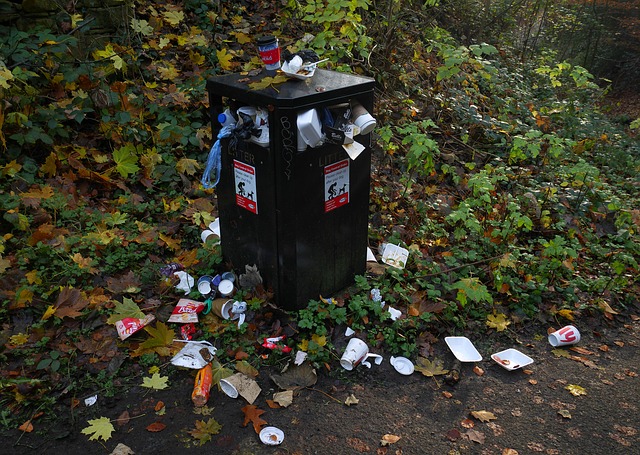
As an eco-conscious individual, planning a move presents a unique opportunity to minimize your environmental impact. Recycling, upcycling, and natural disposal solutions are key strategies in this regard, ensuring that your furniture removal house clearance in Cheshire, Hertfordshire, or Essex isn’t just efficient but also sustainable. The first step is sorting through your belongings with a critical eye, distinguishing between items that can be reused, repurposed, or recycled.
Consider, for instance, the potential of upcycling old pieces rather than discarding them outright. A simple example could involve transforming an outdated wooden dresser into a stylish side table or bookshelf. Many local recycling centers and community groups also offer repair workshops where you can restore damaged items to their former glory with minimal effort. For larger furniture and home goods, companies specializing in Cheshire, Hertfordshire, or Essex furniture removal house clearance often have partnerships with recycling facilities that ensure these items find new life rather than ending up in landfills.
Natural disposal is another critical aspect of eco-conscious moving. Organic waste, such as food scraps and yard trimmings, can be composted, reducing the need for chemical fertilizers and promoting soil health. Some waste management companies offer organic recycling programs that turn these materials into nutrient-rich compost suitable for local community gardens or agricultural use. When planning a move, consult with your chosen furniture removal service to understand their policies on eco-friendly disposal options. Start by gathering all recyclable and disposable items, clearly labeling them, and scheduling pickup as early in the process as possible.
Incorporating these sustainable practices into your move doesn’t just benefit the environment; it can also yield financial savings. Many communities offer incentives for residents who participate in recycling programs, and some furniture removal companies provide discounts to customers who opt for eco-friendly disposal methods. By finding a balanced approach that includes upcycling, recycling, and natural disposal solutions, you can ensure your move is as green as possible while potentially reducing costs associated with traditional house clearance services. Remember, when it’s time to start planning a move, consider these sustainable strategies from the outset to make your transition both seamless and environmentally responsible. Find us at [your brand/NAP] to learn more about how we integrate eco-conscious practices into our furniture removal and house clearance services in Cheshire, Hertfordshire, or Essex.
Transforming Furniture Removal into Sustainable Practice

Furniture removal, often considered a mere logistical task during moves, presents an opportunity to embrace eco-conscious practices and transform house clearance into a sustainable endeavor. This approach is particularly relevant in regions like Somerset, North Yorkshire, and Buckinghamshire where environmental awareness thrives. By adopting natural methods, these communities can minimize the ecological footprint associated with furniture removal and house clearance.
One effective strategy involves recycling and upcycling materials instead of discarding them. For instance, old wooden furniture can be repurposed into new items, such as rustic tables or creative wall art, thereby extending their lifespan. This practice not only reduces waste but also encourages creativity in designing unique pieces that reflect individual style. Moreover, many professional furniture removal companies in these regions now specialize in eco-friendly services, ensuring proper disposal and recycling of materials according to local regulations.
In Somerset, North Yorkshire, and Buckinghamshire, where residents prioritize environmental stewardship, engaging a locally operated furniture removal service can significantly contribute to sustainable practices. These businesses often collaborate with recycling centers and have expertise in disassembling and transporting items safely and efficiently. By choosing such services, individuals not only support local economies but also play a pivotal role in guiding their moves towards eco-consciousness. For those planning a move, it’s essential to consider these options and give us a call at guide to planning a local move for expert advice tailored to their specific needs, ensuring a smoother, greener transition.
In planning an eco-conscious move, consumers can take significant steps to reduce their environmental impact by employing recycling, upcycling, and natural disposal solutions. The article highlights numerous practical strategies, including proper waste segregation, partnering with recycling centers, and repurposing or donating items that would otherwise end up in landfills. Furthermore, it emphasizes the transformative potential of furniture removal house clearance naturally, where companies adopt sustainable practices to minimize waste and maximize resource recovery. Key takeaways include the importance of early planning, engaging community resources, and embracing a circular economy mindset throughout the moving process. By implementing these measures, individuals can make their moves more eco-friendly, contribute to a greener future, and set an example for others to follow.