
Estate clearance involves strategic removal and disposition of personal belongings, requiring legal expertise, market knowledge, and a structured approach. Professionals catalog assets, plan disposals, collaborate with charities, and ensure safe furniture removal, especially in historic regions. They offer empathetic support for emotional items, integrating them into new homes through repurposing or memory boxes. Effective clearance demands meticulous planning, collaboration, and strategic organizational methods, respecting the deceased's wishes while promoting environmental benefits through upcycling and donations.
E
- Understanding Estate Clearance: Process & Legal Requirements
- Planning Effective Furniture Removal & House Clearance
- Dealing with Emotional Items During Estate Settlement
- Efficient Management of Estate Assets & Disposal Options
Understanding Estate Clearance: Process & Legal Requirements
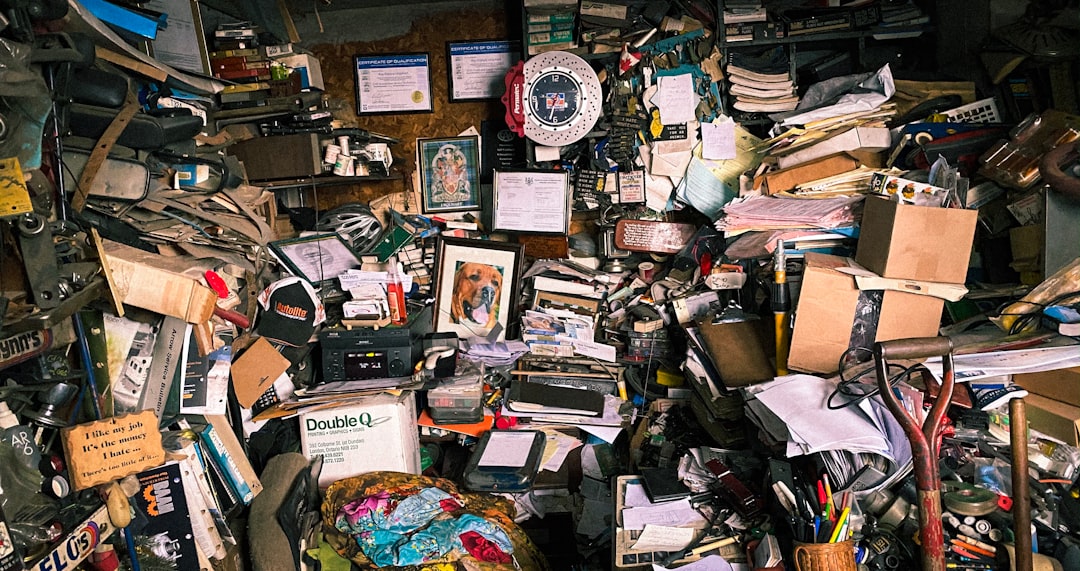
Estate clearance, a meticulous process, involves the systematic removal and disposition of personal belongings from a residence following a death or relocation. This intricate task demands a nuanced understanding of legal requirements and a strategic approach to ensure a smooth transition. The process encompasses more than simply packing and moving furniture; it requires meticulous planning, adherence to legal frameworks, and consideration of various factors unique to each situation. For instance, in Warwickshire, Somerset, and East Sussex, where property values can vary significantly, estate clearance specialists must account for local market conditions when valuing and disposing of assets, including furniture removal house clearance.
In the context of furniture removal house clearance, professionals navigate a series of steps, beginning with an initial assessment of the property and its contents. This involves cataloging assets, evaluating their condition, and determining their value, which is crucial for legal and tax purposes. For instance, in the UK, inheritance tax may apply based on the overall value of the estate, including furniture and other personal belongings. A thorough understanding of these legal requirements, coupled with expertise in furniture removal house clearance, is essential for a stress-free transition. Professionals employ specialized knowledge to navigate complex legal landscapes, ensuring compliance and minimizing potential disputes among beneficiaries.
Once an assessment is complete, the next phase involves strategic planning for disposal. This may include selling items through various channels, donating to charitable organizations, or recycling materials that are no longer of value to the family. For example, essential tips for a stress-free relocation include breaking down large items like furniture into manageable parts for easier transport and ensuring proper documentation for any valuable assets. In Warwickshire, Somerset, and East Sussex, where a significant portion of the population is aging, estate clearance specialists may also collaborate with local senior care facilities or charity shops to ensure that useful items find new homes. This holistic approach not only facilitates a smooth transition but also contributes to a more sustainable and community-focused relocation process.
Planning Effective Furniture Removal & House Clearance

Planning Effective Furniture Removal & House Clearance
Estate clearance can be a complex process, particularly when dealing with large homes filled with valuable furniture and sentimental items. In regions like Bedfordshire, Oxfordshire, and Wiltshire, where properties often feature intricate architectural details and unique design elements, meticulous planning is crucial to ensure the safe removal of furniture and efficient house clearance. This involves more than just packing boxes; it’s about preserving history, respecting the environment, and achieving a seamless transition for the homeowner.
A well-organized furniture removal strategy begins with an extensive inventory. Homeowners or estate administrators should document every piece, noting its condition, value, and potential repurposing opportunities. For instance, vintage furnishings in Oxfordshire might find new life in conservation projects, while contemporary Wiltshire pieces could be suitable for charity donations after careful assessment. This early planning allows for effective disposal methods, whether through recycling, upcycling, or selling items that retain market value.
Once the inventory is complete, it’s time to decide which furniture removal house clearance services are best suited for the task. Professional companies specializing in this area bring expertise and specialized equipment to handle delicate pieces safely. In Bedfordshire, where historical homes are prevalent, experienced teams understand the importance of preserving architectural integrity during the disassembly process. They employ trained technicians who can dismantle complex furniture while minimizing damage, ensuring that irreplaceable heirlooms remain intact for potential restoration or sale.
When deciding on a furniture removal house clearance service, consider the company’s reputation, insurance coverage, and environmental ethos. A responsible firm will offer transparent pricing, efficient scheduling, and options for eco-friendly disposal. For instance, giving us a call at [when to hire a furniture disassembly service] can provide insights into specialized services tailored to specific needs. By planning ahead, homeowners in Bedfordshire, Oxfordshire, or Wiltshire can ensure their estate clearance is handled with care, respect, and efficiency, allowing them to move forward with a clear and peaceful mind.
Dealing with Emotional Items During Estate Settlement
Dealing with Emotional Items During Estate Settlement
Estate clearance is a complex process that involves more than just sorting through belongings and disposing of them. It’s an emotional journey as well, particularly when it comes to dealing with items that carry sentimental value or have profound personal significance. Furniture removal house clearance companies, such as those in Hampshire, Warwickshire, and Buckinghamshire, understand this unique challenge better than anyone. They offer specialized services designed to help families navigate the difficult task of letting go while preserving memories and maintaining dignity.
When faced with estate settlement, many individuals struggle with what to do about cherished possessions that no longer fit into their new life or living arrangements. These items can range from beloved pieces of furniture removal house clearance in Hampshire to heirlooms passed down through generations. It’s not uncommon for families to feel torn between keeping these objects as mementos and letting them go to make room for a fresh start. The key lies in finding the right balance, one that allows for both closure and preservation of meaningful memories.
Professional furniture removal companies play a crucial role here by providing more than just physical assistance. They offer empathetic support and practical solutions tailored to each family’s unique situation. For example, they might suggest dividing heirlooms among relatives or creating memory boxes containing cherished items alongside written stories or photographs. By working closely with families, these experts help transform the process of estate clearance into a thoughtful and meaningful experience—one that allows individuals to let go while preserving the essence of their loved ones’ legacies.
In preparing your new home for furniture delivery, it’s essential to consider how you want to integrate emotional items into your future lifestyle. If some pieces simply cannot be parted with, explore options like repurposing them in a dedicated memory room or displaying them outdoors where they can be enjoyed without dominating the living spaces. Ultimately, the goal is to create a peaceful and harmonious environment that reflects both past memories and future aspirations. Find us at [your brand/NAP] to discover how our specialized furniture removal house clearance services can assist you during this challenging yet transformative phase.
Efficient Management of Estate Assets & Disposal Options
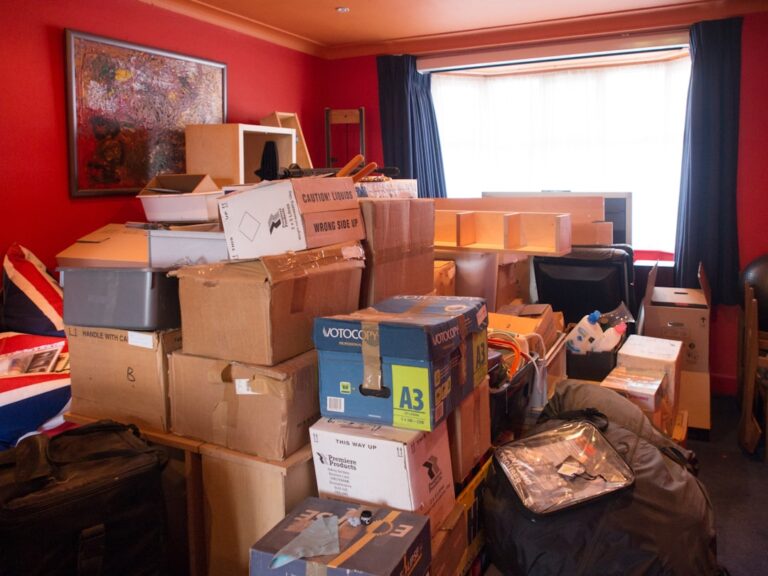
Estate clearance is a crucial yet often complex process, especially when managing a wide array of assets from a deceased individual’s residence. Efficient management involves orchestrating the disposal or redistribution of these items in a timely and respectful manner. This process demands meticulous planning and execution to ensure that everything from valuable antiques to everyday furniture removal house clearance is handled appropriately.
For instance, consider the unique challenges posed by geographical diversity. Local furniture removal companies near me—such as those in Cheshire, West Sussex, or North Yorkshire—face varying levels of complexity when dealing with estate clearances across different areas. These regions may have distinct cultural and market values for various assets, impacting their disposal options. For example, antique furnishings might command higher prices in urban centers like London compared to more rural locations, necessitating tailored strategies for each case.
Efficient estate clearance involves a blend of practical logistics and empathy. It requires companies like those offering West-Sussex furniture removal house clearance or North-Yorkshire counterparts to coordinate with heirs, lawyers, and other stakeholders. This collaboration ensures that assets are accurately assessed, valued (where necessary), and disposed of in line with the deceased’s wishes—or legal requirements if no explicit preferences were left behind. A professional and compassionate approach is vital, especially when dealing with sensitive personal items.
By prioritizing organizational methods and utilizing specialized services, estate clearance can become a smoother process. This includes implementing efficient inventory management systems to track each item’s condition and potential disposition. For instance, furniture that might be unsuitable for its original purpose could be upcycled or donated to local charities, reducing waste while providing benefits to the community. Such strategic management not only facilitates the clearance process but also ensures that valuable resources are given new life, aligning with environmentally conscious practices in today’s world.
Understanding estate clearance involves navigating a complex process with significant legal implications. Planning effective furniture removal and house clearance starts with organizing personal belongings, prioritizing valuable assets, and coordinating professional services for efficient disposal or sale. Dealing with emotional items requires sensitivity, considering their sentimental value while facilitating the settlement process. Efficient management of estate assets involves assessing options for liquidation, donation, or auction to maximize returns and minimize tax liabilities. By integrating these strategies, individuals can ensure a smooth estate clearance process, respecting the deceased’s wishes while securing a favorable financial outcome. Practical next steps include consulting legal professionals, engaging specialized furniture removal and house clearance services, and creating an inventory of assets for efficient distribution or sale.