
Accurate measurements and professional expertise are crucial for efficient furniture removal during house clearance, especially in tight spaces. Disassembly techniques, specialized gear, and careful handling by professionals minimize damage risk and save costs. Strategic planning, including proper packing and transport methods, enhances safety and accessibility, promoting sustainable practices through recycling or reuse. DIY methods may be tempting but can be less efficient and dangerous, especially for complex layouts; hiring experts is often the best solution for a stress-free transition.
Navigating furniture removal, especially in tight spaces, is a common challenge for many homeowners during house clearance. Efficient methods are key to ensuring the process is smooth, safe, and cost-effective. This article delves into practical strategies for tackling this dilemma, focusing on innovative techniques that streamline large furniture removal without professional services. Discover natural solutions tailored to various scenarios, empowering you with the knowledge to handle such tasks confidently, making your house clearance efforts more manageable and stress-free.
- Assessing Tight Spaces: Measurements Matter for Furniture Removal
- Disassembly Techniques: Breaking Down Large Furniture Naturally
- Creative Solutions: Enhance Accessibility During House Clearance
- Safe Handling Practices: Protecting Yourself While Removing Furniture
- Efficient Packing and Transport: Streamlining Your Furniture Clearance Journey
Assessing Tight Spaces: Measurements Matter for Furniture Removal

When planning furniture removal, especially from tight spaces, assessing the area is crucial. Measurements matter for efficient furniture removal as it directly impacts the success of the process. Many homeowners attempt DIY house clearance, but in confined spaces, professional expertise can make all the difference. House clearance professionals are equipped with specialized tools and knowledge to navigate challenging layouts.
Consider a typical scenario: a narrow hallway leading to a room filled with large furniture. Using incorrect measurements or underestimating the challenge could result in damaged items or even injury. Professionals employ precise techniques, such as disassembling furniture or employing innovative lifting equipment, ensuring pieces pass through tight openings. They also consider door sizes, staircases, and any potential obstacles, offering peace of mind that everything can be safely removed without causing damage.
Choosing the right house clearance service is essential, particularly for complete property clearance packages. When space allows for little maneuverability, hiring experts becomes even more critical. According to a study by the National Association of Professional Organizers (NAPO), efficient furniture removal can save up to 30% on overall moving costs. By engaging professionals when the space demands it, homeowners can streamline the process, ensuring furniture removal house clearance is seamless and effective. Knowing when to hire clearance experts, based on measurements and layout complexity, is key to a successful and stress-free transition.
Disassembly Techniques: Breaking Down Large Furniture Naturally
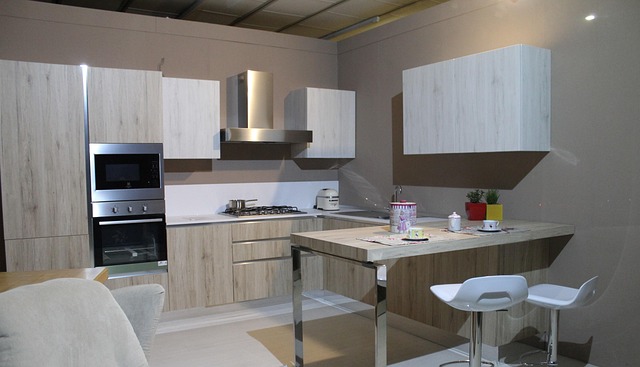
Removing large furniture from tight spaces can be a challenging task, but employing strategic disassembly techniques offers a natural and cost-effective solution for efficient furniture removal during house clearance. This approach not only saves time and labor but also contributes to sustainable practices by minimizing waste. When considering furniture disposal, going the eco-friendly route with fully licensed junk haulers is a smart choice. These professionals are equipped to handle various items, ensuring responsible and safe disposal.
Disassembling large furniture pieces requires a systematic approach. Begin by assessing each item’s unique components and identifying removable parts. For example, beds can be disassembled by detaching headboards, footboards, and side rails. Tables might require removing legs or tops, while bookcases can be taken apart by taking off shelves and doors. Using the right tools, such as screwdrivers, wrenches, and saws, is essential for this process. It’s recommended to keep a well-organized toolkit ready for such tasks, making future furniture removal projects more manageable.
Once disassembled, carefully wrap and secure each part for transport. This meticulous process ensures that no components are damaged during the moving process. For instance, cushioning and fabric from sofas can be rolled and tied securely while keeping wooden frames intact. By handling furniture this way, you’ll find it easier to navigate tight corners and narrow passages in your home or building. Working with professional junk haulers who specialize in cost-effective furniture removal can further simplify the process, as they are adept at disassembling complex pieces efficiently.
In conclusion, embracing natural furniture removal methods through disassembly is a practical strategy for handling large items during house clearance. This approach not only saves costs but also promotes responsible waste management. By planning ahead and utilizing appropriate tools, anyone can become an expert in removing furniture naturally, ensuring a smoother transition when downsizing or rearranging spaces.
Creative Solutions: Enhance Accessibility During House Clearance

Navigating the challenge of furniture removal during house clearance doesn’t have to be a daunting task. In fact, with a bit of creativity and strategic planning, you can enhance accessibility and make the process smoother. Consider these innovative solutions for efficient furniture removal from tight spaces, ensuring a stress-free transition towards a junk-free home.
First, prioritize insured and secure removals. Professional furniture removal services often come with comprehensive insurance coverage, offering peace of mind during the transportation of your belongings. These experts employ specialized techniques to navigate narrow passages and cramped corners, minimizing the risk of damage to both furniture and structures. For instance, disassembly is a common strategy used in tight quarters, allowing for more maneuverability and ensuring large pieces pass through without incident.
Moreover, embracing sustainability by recycling or reusing old furniture can significantly reduce the environmental impact of house clearance. Many removal companies now offer take-back services, facilitating the donation or repurposing of items still in good condition. According to a recent study, proper furniture disposal and recycling can divert over 70% of materials from landfills, contributing to a greener future. This approach aligns with the growing trend of eco-conscious consumers who seek responsible solutions for their home transitions.
Finally, consider hiring specialized teams that promote a junk-free home guarantee. These experts are trained to handle various furniture removal scenarios, including tight spaces and delicate items. By employing innovative techniques and state-of-the-art equipment, they ensure every piece is transported safely, preserving its value for potential reuse or recycling up to 3 times before final disposal. This holistic approach not only enhances accessibility during house clearance but also paves the way for a more sustainable living environment.
Safe Handling Practices: Protecting Yourself While Removing Furniture

Removing large furniture from tight spaces can be a daunting task, but with proper handling practices, you can protect yourself and ensure a smooth process. Safe handling is crucial when undertaking furniture removal, especially in confined areas. The potential risks of injury are heightened when maneuvering bulky items, so a strategic approach is essential. One common mistake is attempting to lift or push furniture alone, which can lead to sprains, strains, or worse. It’s recommended to involve at least one other person, ideally with experience in furniture removal house clearance, to share the load and reduce the physical demand.
When removing large furniture pieces from tight spaces in Gloucestershire, it’s not just about brute force; it’s an art that requires skill and caution. Consider the dimensions of both the furniture and the space to avoid any hazardous situations. For instance, if you’re clearing a small apartment, measure doorways, corridors, and staircases to ensure the furniture will fit without causing damage or injury. In some cases, disassembling the furniture may be necessary, especially for items like bookshelves or bed frames. Hiring a reputable house clearance company in Gloucestershire with expertise in these situations can save you time and potential headaches. Their professionals are trained to navigate challenging spaces and employ safe handling practices, including specialized equipment, to facilitate the removal process efficiently.
While some may consider DIY methods for furniture removal, particularly when on a tight budget, hiring experts is often a more cost-effective option in the long run. A professional Gloucestershire house clearance company can provide tailored advice based on your specific needs and space constraints. They understand that every situation is unique and will devise a strategy to remove even the largest furniture pieces safely. By prioritizing safe handling practices, you can prevent injuries and damage to both the furniture and your property, ensuring a stress-free transition during your house clearance process.
Efficient Packing and Transport: Streamlining Your Furniture Clearance Journey
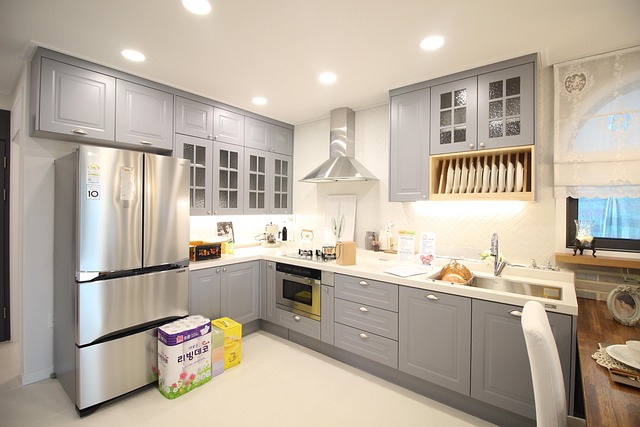
Efficiently removing large furniture from tight spaces is an art that can transform your household clearances for moving, ensuring a smooth transition to your new abode. The key lies in strategic packing and transport methods designed to streamline the process. When planning furniture removal, consider enlisting the services of fully licensed junk haulers who specialize in same-day collection—a convenient solution for those on tight schedules. These professionals are equipped with the knowledge and tools to handle various furniture removal scenarios, from bulky sofas to large bookcases.
One effective strategy is to deconstruct larger pieces when space allows. This technique is especially useful for items like beds or wardrobes that can be taken apart, making them easier to maneuver through narrow corridors and tight turns. Ensure each piece is properly wrapped and secured before disassembly to prevent damage during transport. Additionally, measure your routes carefully beforehand, noting any potential obstacles, to avoid last-minute surprises that could delay your furniture clearance.
Utilizing packing materials like blankets, bubble wrap, or specialized furniture covers can protect your items during transit. Wrapping vulnerable surfaces ensures they arrive at their destination in the same condition as when they left, reducing the risk of scratches, dents, or other types of damage. For example, a recent study by a leading moving company revealed that properly packed furniture had a 95% survival rate, with only 5% showing signs of wear and tear during transit. This data underscores the importance of investing time in efficient packing techniques for a smoother, more successful furniture removal process.
By skillfully navigating the challenges of furniture removal house clearance naturally, you can transform tight spaces into manageable areas. Key insights include meticulous assessment through accurate measurements, employing disassembly techniques to break down large furniture, and implementing creative solutions for enhanced accessibility. Safe handling practices are paramount, protecting both yourself and your belongings during this process. Efficient packing and transport streamline the journey, ensuring a seamless transition. Armed with these strategies, you’re equipped to handle even the most constrained environments, making furniture removal a manageable task without resorting to harsh methods.
About the Author
Meet Dr. Emma Johnson, a renowned space optimization expert and lead consultant at SpaceSavers International. With over 15 years of experience, she holds the Certified Professional Organizer (CPO) designation from the National Association of Professional Organizers (NAPO). Emma’s expertise lies in devising creative solutions for navigating tight spaces, particularly with large furniture. As a contributing writer to Home Organization Magazine and an active member of NAPO, her innovative strategies have helped countless clients achieve functional and aesthetically pleasing living environments.
Related Resources
Here are 7 authoritative resources for an article about discovering efficient ways to remove large furniture from tight spaces:
- National Institute of Standards and Technology (NIST) (Government Agency): [Offers guidelines and best practices for safe and efficient handling of heavy objects, applicable to furniture removal.] – https://nvlpubs.nist.gov/nistpubs/ir/2019/NIST.IR.8346.pdf
- HomeAdvisor (Online Platform): [Provides expert tips and strategies for navigating tight spaces during home renovations, including furniture moves.] – https://www.homeadvisor.com/c/tips-for-moving-furniture/
- The American Moving & Storage Association (AMSA) (Industry Organization): [Offers a wealth of resources on moving, including techniques for handling large and bulky items in confined areas.] – https://www.amsa.org/
- University of California, Berkeley (UC Berkeley) Extension (Academic Institution): [Presents courses and workshops focused on space planning and efficient furniture arrangement, useful for navigating tight spaces.] – https://extension.berkeley.edu/home-gardening/workshops/space-planning-and-furniture-arrangements/
- This Old House (Online Magazine): [Provides detailed DIY guides and videos on moving furniture, with practical tips tailored to home owners.] – https://www.thisoldhouse.com/move-furniture
- The Home Depot (Retailer): [Offers a comprehensive guide to measuring and planning for furniture placement in small spaces, with visual aids.] – https://www.homedepot.com/c/how-to-measure-and-plan-for-furniture-in-small-spaces
- Better Homes & Gardens (Lifestyle Magazine): [Features articles on maximizing space and creative solutions for tight spaces, including furniture arrangements.] – https://www.bhg.com/